
Whole Foods for Weight Loss: Best Natural Options Guide
Yes, certain whole foods can help you lose weight by making you feel full and giving your body the right nutrients it needs. The best whole foods for weight loss include high-protein options like eggs and lean meats, fiber-rich choices like oats and beans, and foods with healthy fats like avocados.
This guide will show you the top whole foods that help with weight loss, explain why they work so well, and give you simple ways to add them to your meals every day.
Why Whole Foods Work Better for Weight Loss
Whole foods are different from processed foods because they come straight from nature without added chemicals or sugar. Studies show that high fiber diets may support decreased body fat, and whole foods give you more fiber than processed options.
When you eat whole foods, your body has to work harder to digest them. This means you burn more calories just breaking down your food. Plus, whole foods help balance your blood sugar and keep you full longer between meals.
The Science Behind Whole Food Weight Loss
Research shows that people who added more protein and fiber to their diets lost up to 9.6 percent of their original body weights without traditional methods like calorie counting. This happens because:
- Protein takes more energy to digest than other foods
- Fiber slows down digestion and keeps you satisfied
- Whole foods provide steady energy without sugar crashes
- Natural foods have fewer empty calories
High-Protein Whole Foods That Boost Weight Loss
Protein is your best friend when trying to lose weight. Protein generally increases satiety to a greater extent than carbohydrate or fat and may facilitate a reduction in energy consumption.
Eggs: The Perfect Weight Loss Food
Studies show that eating eggs and buttered toast for breakfast increased participants’ feelings of fullness for the next 4 hours compared to cereal. Eggs are packed with:
- High-quality protein that builds muscle
- Healthy fats that keep you satisfied
- B vitamins for energy
- Choline for brain health
Simple ways to eat more eggs:
- Make a veggie omelet for breakfast
- Add hard-boiled eggs to salads
- Try egg muffins with vegetables
- Make a quick scramble with spinach
Lean Meats and Fish
Chicken breast contains 23 grams of protein and just 106 calories, and research shows that a diet high in protein can help with both weight loss and weight maintenance.
Best protein choices:
- Chicken breast (skinless)
- Turkey
- White fish like cod and halibut
- Salmon (rich in omega-3s)
- Lean cuts of beef
Fish is especially good because it gives you protein plus healthy fats that fight inflammation. Fish packed in water can be a great option for cutting calories from fattier meats while providing omega-3 fats and nutrients like vitamin D.
Greek Yogurt and Cheese
Greek yogurt has twice the protein of regular yogurt, with some brands providing more than 20 grams of protein per serving. Choose plain varieties to avoid added sugar.
Cheese might seem like a surprising weight loss food, but it works because:
- One ounce gives you 6+ grams of protein
- The protein helps control hunger
- A little goes a long way for satisfaction
Fiber-Rich Whole Foods for Lasting Fullness
Fiber is like a secret weapon for weight loss. Viscous soluble fibers such as pectins, beta-glucans, psyllium, glucomannan, and guar gum all thicken in water, forming a gel-like substance that sits in your gut and creates a prolonged feeling of fullness.
Beta-Glucan: The Super Fiber
In one preliminary study with mice, a fiber in barley called beta-glucan induced the most weight loss in obese animals. This special fiber is found in:
- Oats and oatmeal
- Barley
- Some mushrooms
Research indicates that consuming between four to seven grams per day of beta glucan can lead to reduced hunger and help with weight loss.
Oats: Your Weight Loss Breakfast Champion
Oats work so well for weight loss because they:
- Keep you full for hours
- Provide steady energy
- Lower cholesterol
- Help control blood sugar
Easy oat ideas:
- Overnight oats with berries
- Savory oatmeal with vegetables
- Add oats to smoothies
- Make homemade granola
Beans and Legumes
Beans and other legumes tend to be high in protein and fiber, two nutrients that promote fullness. They also may contain some resistant starch.
Top choices include:
- Black beans
- Chickpeas
- Lentils
- Kidney beans
- Split peas
Whole Grains vs. Refined Grains
Recent studies indicate that a diet rich in whole grains can help support healthy weight loss to a greater degree than refined grains because they’re loaded with fiber and contain a decent amount of protein.
Best whole grains:
- Brown rice
- Quinoa
- Barley
- Whole wheat bread
- Wild rice
Fruits and Vegetables That Support Weight Loss
Fruits and vegetables are nature’s weight loss foods. They’re low in calories but high in nutrients, fiber, and water.
Leafy Greens: Eat All You Want
Leafy greens such as kale, spinach, and collard greens pack fiber and nutrients that can help keep you satisfied and hydrated. What’s more, leafy greens contain thylakoids, plant compounds that have been linked with increased fullness and better appetite management.
Top leafy greens:
- Spinach
- Kale
- Arugula
- Swiss chard
- Romaine lettuce
Apples: Nature’s Appetite Suppressant
A medium apple contains approximately 5 grams of fiber, enough to slow digestion so you don’t feel hungry after a snack or a meal. Apples also boast a high water content; about 85 percent of their weight is water.
Berries: Sweet Treats That Help Weight Loss
Anthocyanins are powerful antioxidants that are found in abundance in blueberries and appear to aid in maintaining a healthy weight and keeping tabs on inflammation.
Best berries for weight loss:
- Blueberries
- Strawberries
- Raspberries
- Blackberries
Cruciferous Vegetables
Cruciferous vegetables are high in fiber but are notably food plant-based protein sources, which may benefit weight loss.
Include these powerhouses:
- Broccoli
- Cauliflower
- Brussels sprouts
- Cabbage
Healthy Fats That Actually Help Weight Loss
Not all fats make you gain weight. Some healthy fats actually help you lose weight by keeping you satisfied and supporting your metabolism.
Avocados: The Perfect Fat for Weight Loss
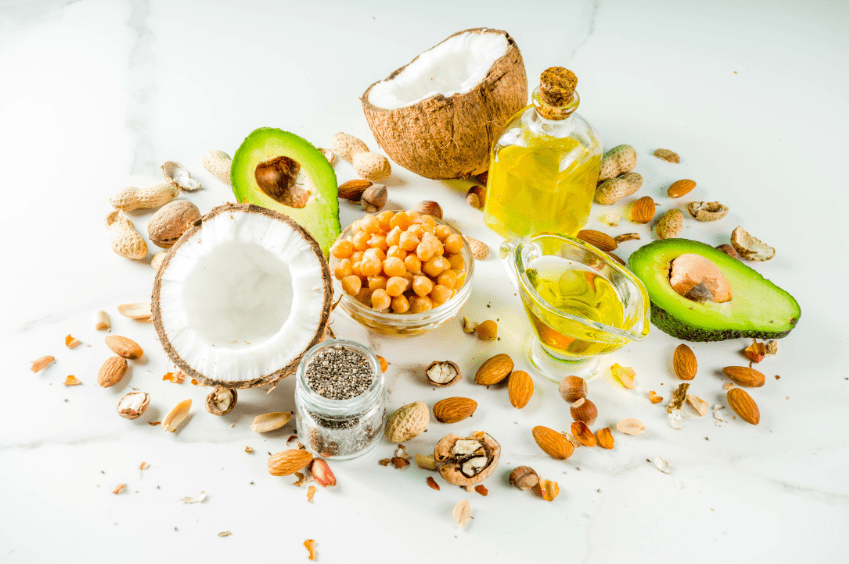
Avocados are fruits rich in healthy fats, fiber, and many other nutrients that assist weight management by promoting satiety. They contain high amounts of oleic acid, an unsaturated fat linked to decreased inflammation and a lower risk of developing heart disease.
Smart avocado portions:
- Half an avocado on toast
- Quarter avocado in salads
- Guacamole with vegetables
Nuts and Seeds
Nuts are high in heart-healthy unsaturated fat and provide a good source of protein, fiber, and other plant compounds that benefit heart health.
Best choices for weight loss:
- Almonds (1 ounce per day)
- Walnuts
- Chia seeds
- Flaxseeds
Chia seeds are an excellent source of the fiber-protein combo that will keep you full and satisfied. Some studies suggest that consuming chia seeds as part of a low-calorie diet could result in losing a few pounds.
Water-Rich Foods That Fill You Up
Foods that contain a lot of water are generally low in calories. These fruits and vegetables are not only satisfying and refreshing, but they’re full of nutrients and fiber.
Soups: Secret Weight Loss Weapon
A 2007 study notes that incorporating a vegetable-based clear soup before your meal can be a way to feel fuller and eat less overall, which may promote weight loss.
High-Water Fruits and Vegetables
Top water-rich choices:
- Watermelon (92% water)
- Cucumber (96% water)
- Tomatoes (94% water)
- Grapefruit (88% water)
- Celery (95% water)
How to Combine Foods for Maximum Weight Loss
The secret to lasting weight loss is combining different types of whole foods to keep your body satisfied and your metabolism running strong.
The Perfect Weight Loss Plate
Fill your plate this way:
- Half with vegetables (preferably leafy greens)
- Quarter with lean protein
- Quarter with whole grains or starchy vegetables
- Add a small portion of healthy fat
Meal Timing and Combinations
When taken before a meal, soluble fiber has been associated with slowed rates of consumption and delayed gastric emptying—both mechanisms for subsequent feelings of satiation as well as satiety.
Best combinations:
- Protein + fiber at every meal
- Fruit with nuts or nut butter
- Vegetables with healthy fats
- Whole grains with beans
Common Mistakes to Avoid
Even with whole foods, you can make mistakes that slow down weight loss:
Portion Problems
It’s worth keeping in mind that avocados are calorie-dense, so being mindful of portions is key when weight loss is your goal.
Watch portions of:
- Nuts and seeds (1 ounce = small handful)
- Avocado (1/4 to 1/2 per meal)
- Whole grain portions
- Cooking oils
Hidden Processed Foods
About 70 percent of what we eat and drink is considered ultra-processed. Many of these foods are high in sodium, saturated fat, added sugars, artificial flavors and preservatives.
Be careful with:
- Flavored yogurt with added sugar
- Pre-made salads with high-calorie dressings
- “Health” bars with lots of sugar
- Fruit juices instead of whole fruit
Simple Meal Ideas Using Whole Foods
Breakfast Options
- Greek yogurt with berries and a sprinkle of chia seeds
- Vegetable omelet with a slice of whole grain toast
- Oatmeal topped with sliced apple and walnuts
- Smoothie with spinach, banana, and protein powder
Lunch Ideas
- Large salad with grilled chicken, chickpeas, and avocado
- Lentil soup with a side of vegetables
- Turkey and vegetable wrap in a whole grain tortilla
- Quinoa bowl with roasted vegetables and beans
Dinner Suggestions
- Baked fish with steamed broccoli and brown rice
- Lean beef stir-fry with lots of vegetables
- Bean and vegetable chili
- Grilled chicken with roasted sweet potato and green salad
Smart Snacks
- Apple slices with almond butter
- Carrot sticks with hummus
- A small handful of nuts
- Greek yogurt with cucumber
Getting Started: Your First Week Plan
Making changes doesn’t have to be hard. Start with these simple swaps:
Week 1 changes:
- Replace white bread with whole grain
- Add a serving of vegetables to every meal
- Switch from regular yogurt to Greek yogurt
- Include a protein source at breakfast
Week 2 additions:
- Try oatmeal for breakfast twice this week
- Add beans to salads or soups
- Replace one snack with fruit and nuts
- Include fish twice this week
Week 3 progress:
- Experiment with new vegetables
- Try quinoa instead of white rice
- Add chia seeds to smoothies or yogurt
- Start meals with a small salad
Supporting Your Weight Loss Journey
Remember that natural weight loss takes time and patience. The goal is to create habits you can stick with for life, not quick fixes that don’t last.
Consider working with a nutrition professional who can help you create a personalized plan. If you’re dealing with food sensitivities or digestive issues, these might be affecting your weight loss efforts.
Check out these healthy meal prep ideas to make eating whole foods easier during busy weeks.
Final Thoughts
Whole foods work for weight loss because they give your body what it needs while naturally controlling hunger and cravings. The key is to focus on foods high in protein and fiber, include plenty of vegetables, and choose healthy fats in the right portions.
Start small by adding one or two new whole foods to your daily routine. As these become habits, you can gradually add more. Remember, the best diet is one you can follow for life, not just for a few weeks.
The beauty of eating whole foods is that you’re not just losing weight – you’re also getting more energy, better digestion, and improved overall health. Your body will thank you for choosing real, natural foods over processed alternatives.
Ready to start your whole foods weight loss journey? Begin with the foods that appeal to you most, and build from there. Small, consistent changes add up to big results over time.